
Moon Boots and CAM Walker Fitting Brisbane
Who needs to wear a Moon Boot?
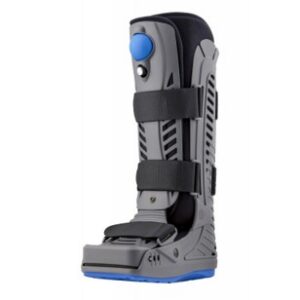
If you have a significant foot injury, foot fracture, or acute sprain - then chances are you will need to have your foot and ankle stabilised for a period of immobilisation. If you have been assessed by a health professional and they have recommended this treatment, it is because there is a substantial injury to a bone, ligament, tendon or other tissue that requires rest from the stress and forces of weight bearing movement.
In the past, we would often have to apply a cast, or heavy bandaging and splinting to stop movement whilst injured tissues heal. An additional downside was that this would usually mean using crutches to take more pressure off the affected area.
In more recent times, a range of more sophisticated immobilisation boots have been developed to allow patients to protect an injury, but also often avoid the need for crutches. These are commonly referred to as 'moon boots' as they appear similar in appearance to what an astronaut might use. They are also known as 'cast walkers' or 'CAM walkers'.
How long do I need to wear a Moon Boot?
This is very dependant on the severity of your injury, and how well you are healing. Common time frames usually vary from two weeks to eight weeks. Often a follow up x-ray or scan of your injury will guide this process.
It is then important to transition out of the boot carefully, with advice on appropriate stretching or strengthening exercises, footwear and other supports to prevent re-injury.

Are there any risks associated with wearing a Moon Boot?
Some adverse effects can occur with using a moon boot, though these are usually rare.
- Falls - as your balance and movement are affected, it is important that your receive advice on how best to safely use and move about when using these devices. This is called 'gait training'.
- Other joint pains - as your movement has been deliberately changed by the design of the moon boot, it is not uncommon for other areas such as knees, hips and lower back to develop minor discomfort. This is more common in those with pre-existing problems in these locations (eg arthritis). Remember, the moon boot is to allow you to undertake the essential activities or daily living - not keep going at the same pace you were prior to the injury. You still need rest!
- if you are prone to clotting, immobilisation can increase the risk of DVT (deep vein thrombosis) and pulmonary embolus (PE). If you have a prior history of DVT it is important to advise your podiatrist of this.
- Minor skin irritations (try using a compression stocking/knee high sock and adjusting the pads)