
Bunion Joints Diagnosis and Treatment
A 'bunion' is the lay term for enlargement and deformity of the big toe joint. The medical term is hallux valgus.
With hallux valgus, the big toe progressively moves toward the second toe, while the connecting 1st metatarsal bone moves in the opposite direction. This creates the appearance of a bony lump on the side of the foot.
This misaligment of the main big toe joint is a slowly progressive joinit subluxation, which can cause irregular joint wear, arthritis, bursitis and pain.
Hallux valgus can be inherited genetically, or acquired over time due to abnormal foot function and altered forces through the front of the foot.
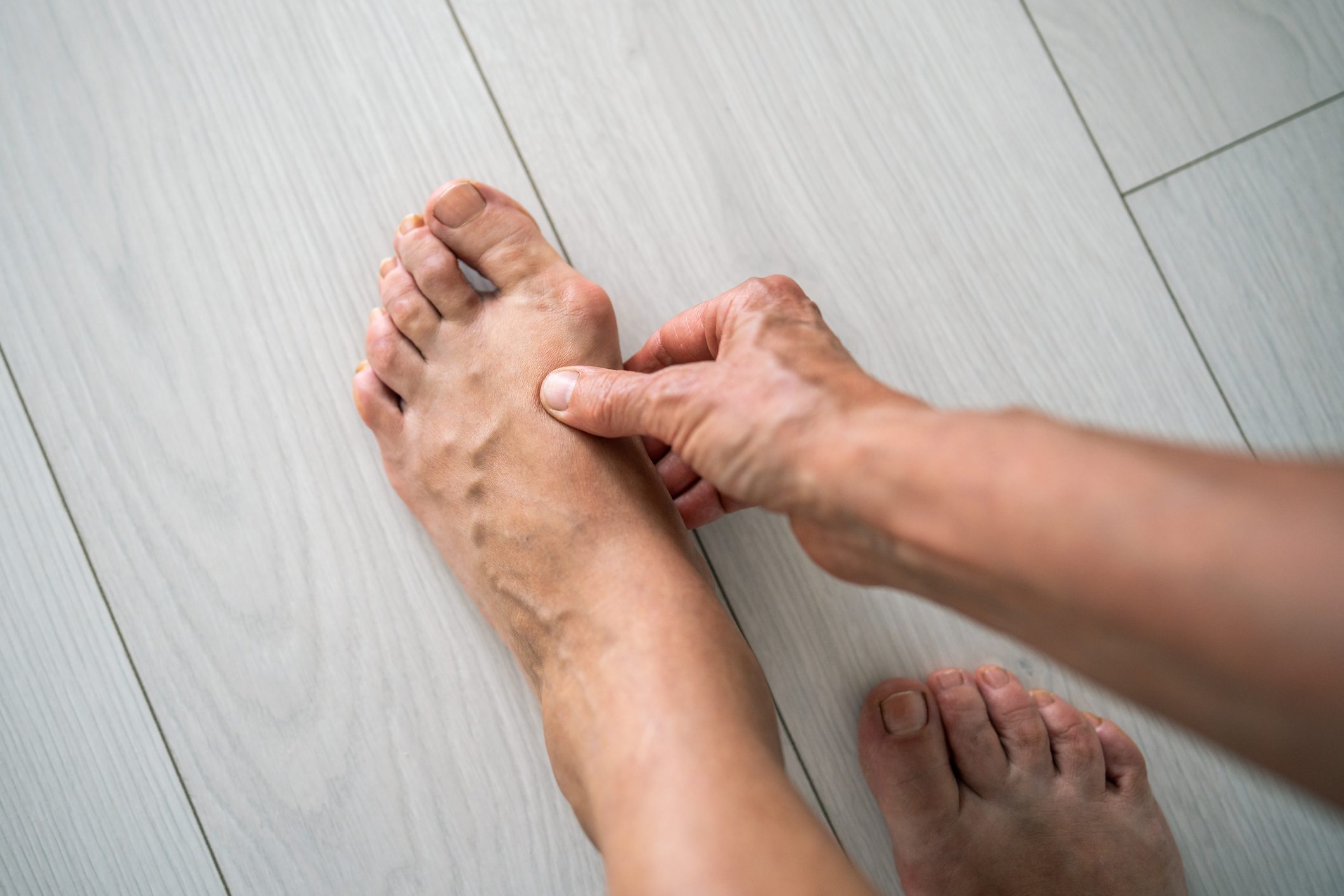
Symptoms and Diagnosis
Pain and swelling result from shoe pressure against the bony prominence or from degenerative arthritis within the big toe joint. A painful bursitis (inflamed soft tissue sac) may also be present. Diagnosis is made by your Podiatrist based on clinical appearance, often aided by x-ray to determine severity or existing arthritis.
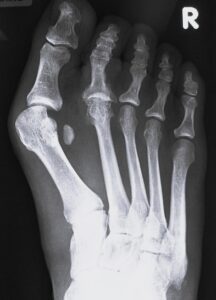
Plain x-ray of a foot with severe hallux valgus, and associated dorsal dislocation the 2nd MTP joint.
As a bunion worsens, a 'chain-reaction' of changes can emerge as other toes become contracted and altered in function (eg hammertoes), and forces and loads under the front of the foot are affected.
Bunion Risk Factors
Risk factors include specific foot features like forefoot width and metatarsal shape. Flat feet, first ray hypermobility, and a familial history are also associated with development.
Additionally, poor footwear (too small or narrow, or very high heels) plays a significant role in accelerating the bunion process.

Bunion Treatment Options
Treatment typically involves three main strategies: avoiding shoe pressure, using functional orthotics and splinting (shoe inserts) to off-load the foot, and surgery for more severe cases.
Adjunctive stretching exercises, night splints and other medical aids can also assist with symptoms. Acute pain and inflammation may be managed with topical or oral anti-inflammatories.
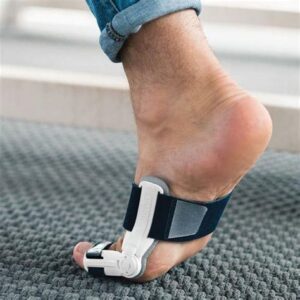
While conservative treatment is usually recommended, significant deformities may require surgery to correct the bone alignment and stabilize the joint, typically involving a six-week recovery sandal.
Consultation and Care
Our Brisbane Podiatrists are experts in diagnosing and treating bunions. Following a full assessment of your symptoms and foot function, we will discuss the best treatment options, including custom orthotics, suited specifically to your needs.